Posted on May 6, 2008 by Rose Marie
I’m happy to announce the fourth printing of McGee & Stuckey’s, The Bountiful Container is now available. This 432 page book is a complete guide growing container gardens of vegetables, herbs, fruits and edible flowers. We’ve included recipes for using your home grown goods. Maggie and I researched soils, containers, fertilizing and every aspect of what gardeners encounter when growing in containers. I love experimenting with new techniques and varieties using pots and small space gardening. If your garden is horizontally challenged, think vertically! If you only have space for herbs, a few salad greens and a tomato in a large pot think how much flavor and variety you’ll add to your household.
This weekend, May 10th, I’ll be speaking and signing books at the Oregon City Farmers Market. Saturday, May 17, is the annual Nichols Garden Nursery Plant Day. If you’re in the area, drop by and enjoy light herbal refreshment, gardening demonstrations, tours of the herb garden and a great sale on plants and other gardening items.
Filed under: Food, Gardening, Greetings From The Garden, Recipes, events, garden, gardens, herb gardens, herb recipes, herbs | Tagged: container gardening, container gardens, urban gardens | No Comments »
Posted on April 26, 2008 by Rose Marie
Tarragon is growing by leaps and bounds and the delicate, fresh anise-like flavor pairs beautifully with salads, eggs, fish and chicken. Today we made a simple roast chicken stuffed with tarragon. I picked a small handful of tarragon shoots cutting to the soil line to encourage new growth. As mentioned in earlier posts I grow tarragon in a container.

To infuse the tarragon flavor throughout the chicken I gently lifted the skin and pressed tarragon under it on as much of the chicken as possible. I placed the stems in the cavity along with several more sprigs. Notice the pattern tarragon makes under the skin.
Preheat oven to 350 degrees
1 large fryer/roasting chicken
10 to 12 shoots fresh tarragon
1 tablespoon Dijon type mustard
1 tablespoon cooking oil
1/2 teaspoon salt
1/4 teaspoon freshly grated pepper
Remove giblets and any excess fat that can be trimmed away. Work the tarragon under the skin. Mix oil, mustard, salt and pepper together and rub over chicken. Place additional tarragon inside cavity, reserving one tablespoon leaves. Place chicken in a small roasting pan and place in oven. I started with the breast down for 45 minutes. Every 15 minutes or so I give the pan a little shake to keep the breast from sticking. When back has browned carefully turn the chicken and continue cooking until breast is browned in approximately 45 minutes. An instant thermometer placed in the thigh or breast will read 170 degrees when done. When thigh and leg move easily and juices no longer run pink chicken is done. Thermometer test is easier.
Strain and defat juices, salt to taste and add one tablespoon minced tarragon. Use juices as a sauce. Heat and add a little white wine, white vermouth or apple juice until right consistency. A couple teaspoons of cream smooth the flavors if you desire a little extra richness. Let rest 15 to 20 minutes before carving and serving.
Filed under: Food, Recipes, gardens, herb recipes | Tagged: chicken, container gardening, herbs, tarragon | No Comments »
Posted on April 26, 2008 by Rose Marie
Plan now for summer water conservation. Choices include drip tape, porous leaky pipe, and drip emitter kits. Combine any of these with timers and you are delivering proper amounts of water to each area of the garden. Avoiding overhead watering reduces disease and increases yields. Less time spent on weeding is a significant advantage. Obviously, a bed of mesclun, a row of tomatoes, and a container garden all have differing needs and there’s a proper setup for all. Garden supply stores are better stocked in spring than midsummer when the water crunch hits. Take a look around now to determine which is best for you.
Porous leaky pipe made of recycled tires can clog if your water has a high sediment content. If they are only going to be in place for a year and soon end up in a landfill you may want to select a different system.
Drip Irrigation for Every Landscape and All Climates by Robert Kourik is considered the bible on this topic.
Filed under: Gardening, garden, gardens | Tagged: conservation, container gardening, drip irrigation, food gardening, growing things | 2 Comments »
Posted on April 21, 2008 by Rose Marie
April 22nd marks Earth Day, a world celebration of our beautiful planet. With so many shared world concerns let us pause and enjoy what we have. Stop for a moment, get outdoors and look around at the amazing wonder of spring. Plant seeds, set plants and soon you have a garden.
With all the discussion and good reasons for eating locally, growing some of our own food in a garden is a first step. Indeed growing food a few steps from your door leaves no carbon footprint.
My parents, Nick and Edith Nichols, established Nichols Garden Nursery with a philosophy that guides us today. N.P. Nichols wrote “our purpose during these years has been to bring people closer to nature through gardening. Nothing can equal the sense of accomplishment that comes from growing hundreds of pounds of vegetables from a few ounces of seeds”. Celebrate Earth Day.
Filed under: Food, Gardening, Greetings From The Garden, events, garden, gardens | Tagged: Earth Day | No Comments »
Posted on April 20, 2008 by Rose Marie
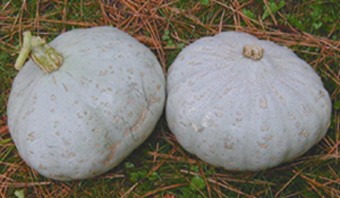
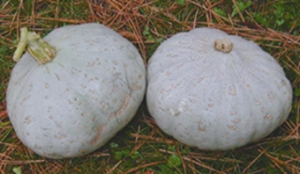
Surely there is no recent holiday with a more obscure origin. The date is listed as both April 23rd and April 25th. It seems to have no presidential decree or any notable history. It reminds me to use the shredded zucchini frozen last fall. It’s almost time to plant more zucchini! Our current favorite variety is Salman F1 hybrid, a pale jade color, productive with a delicious mild flavor.
If any readers know more about this holiday please add a comment. Meanwhile we shall enjoy our zucchini bread, one loaf for a company dinner today and one to take to work on the 23rd.

Zucchini Bread (2 loaves)
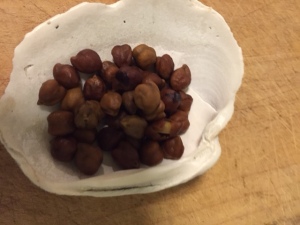
Preheat oven to 350 degrees. Toast nuts for three to five minutes in pre-heated oven. They keep cooking after you remove them so slightly under toasted is best.
3 eggs
1 cup vegetable oil
2 teaspoons vanilla extract
1 ½ cups sugar
2 cups grated zucchini *
3 cups pre-sifted unbleached flour
1 tablespoon cinnamon
1/8 teaspoon nutmeg
1 teaspoon baking soda
1/2 teaspoon baking powder
1 teaspoon salt
1/2 cup chopped walnuts
Grease and flour two 8” x4” loaf pans or spray pans with no-stick cooking spray. Place a piece of parchment or waxed paper against the two long sides of each pan and let it drape slightly over the edges. Trim with scissors if necessary. Smooth paper against sides and lightly respray. By using this method any quick bread can be easily removed with absolutely no sticking.
Lightly beat the eggs with a whisk. Stir together oil, vanilla and sugar, followed by zucchini.
Combine flour, cinnamon, nutmeg, baking soda, baking powder, salt and nuts in a large bowl. I sift 1 cup of flour with other dry ingredients except nuts, and then stir it all together.
Stir egg mixture into flour. Divide the batter into prepared pans.
Bake loaves for 55 minutes then check with a toothpick or bamboo skewer, if it comes out dry, bread is done. If batter clings to skewer bake another 5 minutes or until done. Place pans on cooling rack for ten minutes. Turn over to remove from pan and carefully remove paper. Let loaves cool on rack. Do not wrap or store until completely cooled.
*My packages of zucchini were carefully marked as 3 cups when I froze them. When measuring after thawing it was now two cups without discarding any liquid. So it’s three cups fresh and two cups frozen and thawed.
Filed under: Food, Gardening, Greetings From The Garden, Recipes, garden | Tagged: baking, zucchini bread | No Comments »
Posted on April 4, 2008 by Rose Marie
Tomorrow, Saturday April 5th, Keane and I will be at Gardenpalooza with seeds, and Yacon plants. Come to us with your gardening questions. Mention you’ve seen this note on The Gardener’s Pantry and select a free seed packet of your choice. Gardenpalooza is a yearly local event held at Fir Point Farms in Aurora, OR on Airport Road. We’ll be in the lovely big greenhouse with other nurseries and The Chinese Classical Garden. I always pick up new plants at this show because there is such a great selection. For those of you who out of the area look for local garden events where you can directly ask the grower how to grow the plant and find interesting plants that never show up in the big box stores.
Filed under: Blogroll, Gardening, Greetings From The Garden, events, garden, gardens, yacon | Tagged: seeds | No Comments »
Posted on March 26, 2008 by Rose Marie
Keane and I will be at the Boise Flower & Garden Show Friday, Saturday, and Sunday. Friday at 11:00 a.m. I speak on Edible Gardening in Containers & Small Spaces. Saturday, it’s Seed Starting, What a Gardener Needs to Know, at 3:00p.m. If you live in the Boise area come to the show, please stop by our sales booth #101. If you mention The Gardener’s Pantry, we’ll invite you to select a complimentary packet of seeds.
This time of year it’s a steady round of garden talks and garden shows. Next Saturday, April 5th we meet up with many old friends for Garden Palooza in Aurora, Oregon at Fircrest Farms.
I’ll be back with a few recipes and gardening tips once things settle down a bit. Right now our arugula and kale are looking good. Walla Walla Onion plants have been transplanted. Cascadia Snap Peas are growing in straw bales and fava beans are blooming. Can spring and summer be far behind? Probably, we are leaving early for Boise to avoid driving in falling snow on the passes.
Last weekend, we were in the Bay Area to give a talk on Container and Small Space Gardening to the Montelindo Garden Club. We visited the Berkeley Arboretum, museums, friends and family. What was most astounding happened when we stepped out onto the street where our daughter lives. Keane noticed a tree he didn’t recognize and was trying to figure out what it might be. It had large clusters of round seed pods and glossy green leaves. As we looked at it, I noticed the backside of a large bird in the upper branches. We couldn’t see it’s head so were moving this way and that. Suddenly a voice from the window above, said “Do you want to know the story of this tree”? Of course we did! The fellow told us the tree was planted a few years before he arrived 25 years ago. It is a red flowering Eucalyptus. planted by a former president of the California Native Plant Society, much to his embarrassment today. Non native Eucalyptus have been over planted throughout California, and especially in the southern part of the state, they fuel wildfires. This one seemed like a nice street tree. Finally, the bird turned its head, and we were face to face with a falcon. A few hours later we passed by again and there was a pile of pigeon feathers at the base of the tree.
Filed under: Blogroll, Gardening, Greetings From The Garden, events, garden, gardens | Tagged: falcons, flower shows, San Francisco | No Comments »
Posted on March 18, 2008 by Rose Marie
Baking soda and water is often all we is need to treat mildew in the garden. Trouble is it’s so easy to forget or misplace the recipe. So if that should happen to you this recipe it will be archived on this site.
Mix together:
1 tablespoon baking soda (from the kitchen cupboard) 1/2 teaspoon liquid soap 1 tablespoon horticultural oil 1 gallon of water
Mix together and apply from a clean sprayer. The baking soda counteracts the fungi by changing the pH of the leaves, the soap helps it spread, and the oil coats the fungal spores and keeps then from growing. In a pinch, I’ve used a clear kitchen oil like canola or grapeseed as they too will smother but the lightweight hort oil is best. If you have plants you’ve not treated with this spray before start out on a small section. Plants should be well watered befoe applying and don’t apply in heavy sun. For many plants this might mean watering well in the morning and then in late afternoon/early evening come back and spray well hydrated plants when they are not in direct sun. I like to discard unused mixture after one or two days and then mix up a fresh batch. When these measures don’t seem adequate for fungal or mildew problems I apply Serenade, a commercially available and OMRI approved organic product.
Filed under: Easy Gardening Tips, Gardening, Greetings From The Garden, Recipes, garden, herb gardens | Tagged: plant diseases | 2 Comments »
Posted on March 15, 2008 by Rose Marie
Composition roof shingles laid between raised beds keeps paths dry and weed free. We began using these last summer and through the winter have come to love them. The shingles are rough and seems to discourage slugs, the surface is never slippery or muddy. When they are no longer needed, shingles are easy to lift and remove. We’ve used Sequoia needles, filbert shells, landscaping fabric and this is the best solution for weed control and comfort.
Filed under: Easy Gardening Tips, Gardening, Greetings From The Garden, garden, gardens | Tagged: garden paths, raised bed gardening | 1 Comment »
Posted on March 4, 2008 by Rose Marie
Today, I’m starting a series of simple gardening tips that have not been published everywhere. Random topics to be sure, the sort of tips we share back and forth with friends, your comments are welcome.
James Cassidy, soil scientist, began the Organic Gardening Club at Oregon State University. At a recent Master Gardener meeting he recommended sowing onion seeds in four inch pots filled with moist seed starting mix. Let these grow two to three inches, just large enough for transplanting. I started onions, shallot seeds and leeks this past weekend. I’m growing the Nichols Tri-Color Onion Blend, Ishikura Improved single stalk scallion, Prisma Shallots and Kilima Leek. We’ll have some more varieties growing at the nursery trials but this is for our home garden. These are sown fairly thickly and will be transplanted into garden beds in about three weeks.
Filed under: Easy Gardening Tips, Gardening, garden | Tagged: onions | 3 Comments »
Posted on February 20, 2008 by Rose Marie
We’re heading north to Seattle for the annual Northwest Flower & Garden Show. This year the show runs now through February 24th. http://www.gardenshow.com/ It’s showtime across the country, and it’s the best place to hear speakers, buy new plants and especially in Seattle we always find inspiration from the fabulous show gardens. I’ll be speaking and doing a 1:30 demonstration on edible gardening in containers at the NW Horticulture Society garden located in the entry. I can hardly wait to see this four part garden “Eat Your Vegetables! Garden to Table “.
I’ve designed and worked on gardens at this show. It’s pretty amazing backstage when trucks drive onto the fourth floor of the Washington Convention Center as construction begins. It’s a breakneck pace starting on Saturday and finishing at noon on Tuesday when judging begins. This year I’m a wide-eyed tourist and the show always makes me happy.

Our venture into straw bale gardening began with a garden promoting Plant A Row For the Hungry, a program of the Garden Writers Association. PAR encourages gardeners to contribute their surplus produce to local food banks, soup kitchens and shelters. These organizations are always short of fresh produce so look into sharing your surplus.
Filed under: Food, Gardening, Greetings From The Garden, events, garden, gardens | Tagged: garden show, NW Flower & Garden Show, Plant A Row For the Hungry, Seattle | No Comments »
Posted on February 20, 2008 by Rose Marie
Suddenly the days are longer, the skies are brighter, and it’s a joy to be in the garden. This week I sowed Cascadia Snap Pea seeds in a straw bale. Legume inoculant will provide all the nitrogen they need. Gardeners in the Pacific Northwest once had to plant peas in January to get a crop because aphids transmit Pea Enation Mosaic virus. Enation diseased plants begin drying out and stop producing as soon as we have a trace of hot weather in early summer. Gardeners would rush to plant in January, no matter how cold and wet the conditions. My mother always referred to early pea planting as “mudding in”.
Plant breeders at Oregon State University began selecting for resistance to this disease over forty years ago. Today, we can plant OSU Sugar Pod II, Oregon Giant Sugar Pod, Cascadia Snap Pea, and Oregon Trail shelling pea, all released from the OSU department of horticulture and bred by Dr. James Baggett. OSU sugar Pod II is now the most widely grown edible pod variety in the world. It has good flavor, is tender crisp, and easy to grow and harvest.
I have grown peas and beans on wheat straw bales for several years with good results. When you sprinkle the seeds with legume inoculant the bacteria enables plants to form nitrogen rich root nodules from atmospheric nitrogen and you will not need to fertilize. You can read more about straw bale gardening on our Nichols Garden Nursery website:www.nicholsgardennursery.com
Filed under: Food, Gardening, Greetings From The Garden, garden, gardens | Tagged: peas, straw bale gardening | No Comments »
Posted on February 7, 2008 by Rose Marie
February 15th, 16th & 17th, you’ll find Nichols Garden Nursery at booth #1386 at the beautiful Portland Yard, Garden, & Patio Show. Sunday, at 11:00 a.m. I’ll present a seminar on “Culinary Herbs: How to Grow and Use In the Pacific Northwest”. YGP, gets us enthused about the beginning of spring. With lovely display gardens, free seminars, vendors offering fantastic selections of plants, seeds, bulbs, this is the place and time Oregon and Southern Washington gardeners gather to shop, learn, relax and plan their garden year.
The Oregon Convention Center has good parking, benches to relax, and such a nice ambience that the entire show makes me feel like I’m already in a garden.
Come by our booth and mention you’ve seen our blog or website and pick up a free packet of spinach or sunflower seed. We’ll have seeds, gardening products, catalogs and we’re ready to answer your gardening questions. If you have a little extra garden space and are concerned about local hunger issues, we’d like to explain Plant A Row For the Hungry, a program of the Garden Writers Association. We can offer you a choice of seed packets to get you started. Collectively, participants raise thousands of pounds of produce for local food banks and soup kitchens where fresh vegetables for those in need are always appreciated.
Filed under: Blogroll, Gardening, Greetings From The Garden, events, garden, herb gardens, herbs | Tagged: Garden & Patio Show, Plant A Row For the Hungry, Portland Yard Garden & Patio Show, Yard | No Comments »
Posted on February 5, 2008 by Rose Marie
Nichols Garden Nursery, in Albany, Oregon now has a new 88 page, 2008 catalog. Our new narrower format is easy to handle and read. If you visit our website http://www.nicholsgardennursey.com you can download this catalog as a PDF. Be sure to check the “new and unusual” pages 23 & 24 for what’s new in seeds. We maintain an eclectic selection of good tasting, easy to grow home garden varieties. Some seeds are organically certified, some heirloom, and some hybrid. We offer the best. None of our seeds are treated or genetically modified. You can request a catalog from the website or use our PDF to plan your garden.
Filed under: Blogroll, Gardening, Greetings From The Garden, garden, gardens | Tagged: catalog, seeds | No Comments »
Posted on January 15, 2008 by Rose Marie

Take a glance through these eight images by Australian photographer Carl Warner on BBC news. These imaginative foodscapes are all made of foods we eat. Amazing, creative work sure to open your eyes a bit wider and make you smile.
Filed under: Food, Gardening, garden, gardens | Tagged: photos | No Comments »
Posted on January 11, 2008 by Rose Marie
It was in the Alice B. Toklas Cookbook that I first encountered a very old recipe for a savory, unsweetened pumpkin pie. While this tart contains a bit of butter it’s far less rich than Ms. Toklas’s with a cup of heavy cream and rich crust.
Last night we cooked a magnificent 8# Queensland squash and of course there was a good amount left to enjoy. Any of your favorite winter squash or pumpkins may be used for this pie. When your squash is precooked just scoop out 3 1/2 cups and add small chunks to the onions and herbs. When pressed for time use a conventional pie crust or or even a dozen sheets of filo as I plan to do today. This recipe is listed on our www.nicholsgardennursery website.
When using filo sheets, remember they only need the lightest buttering with a combination of melted butter and olive oil. A 1″ pastry brush gives you good control. Since I’m using a circular pan I’ll offset each piece a few inches so the entire pan is covered. Then the top sheets will be handled the same way and rolled up at the edge. A photo will follow but I’m off to the kitchen.
Serves 6 - 8
Pastry
2 cups sifted all-purpose flour
2 teaspoons dry yeast
3/4 cup lukewarm water
3 tablespoons butter, melted or olive oil 1 egg, lightly beaten
1/2 teaspoon salt
Add yeast to lukewarm water with 1/4 cup flour. Stir and let sit in a mixing bowl until bubbly, about ten minutes. Mix 2 tablespoons butter and egg into yeast mixture. Gently add flour and salt to the yeast mixture. It should have the consistency of a soft dough. Do not knead because you do not want to develop the gluten. Form into two balls one slightly smaller than the other. Roll out the larger piece and place in an oiled 10” springform pan or ceramic tart dish. Brush with some of remaining 1 tablespoon melted butter. Cover loosely with a damp kitchen towel. Set dough for top crust aside until you are ready to fill the tart.
Pumpkin Filling
2 pounds pumpkin or winter squash, peeled and diced or 3 1/2 cups 1/2 teaspoon salt
1 tablespoon olive oil
1 large onion finely chopped
2 cloves garlic, minced or pressed
1/2 teaspoon fresh thyme or 1/4 dried
1 tablespoon chopped fresh sage or 1 teaspoon dried
3 tablespoons chopped parsley
1/4 teaspoon pepper
2 tablespoons instant rice or 1/4 cup cooked rice
1/4 cup grated Parmesan or Gruyere cheese
Sprinkle pumpkin or squash with salt and cook in a steamer for 15 minutes or until tender. Drain steamed pumpkin in a colander while onion is cooking. Heat oil in large nonstick skillet set on medium heat. Add onion and garlic and saute until onion is tender and translucent about 5 minutes. Add pumpkin, thyme, sage, and pepper. Adjust heat to medium high and staute, stirring occasionally until pumpkin dice barely begin to break apart. Preheat oven to 375 degrees. Stir in rice and cheese and place filling in shell. Lightly roll out the top crust and cover, pinching the edges well together, brush with remaining butter. Cut a few slits in the top crust to allow steam to escape. Bake for 35 to 45 minutes on the medium rack until golden brown. Let sit on a cooling rack for ten minutes before serving. Serve warm or cooled as a picnic dish.
Filed under: Food, Recipes, herb recipes | Tagged: cooking, pumpkin, squash | 2 Comments »
Posted on December 31, 2007 by Rose Marie
Today, I read that “organic” made it onto a list of over used words. This product called “The Batter Blaster” bills itself as organic, certified by the USDA. Packaged in an aerosol can that serves eight, this seems like the over packaging that is exactly opposite to the resource conserving spirit of the organic movement.
We are concerned about environmentally sound, production, distribution and packaging. It’s New Year’s Eve and as I think through the ways that I can be a greener gardener and cook, the new word “locavore” comes to mind. In our area several church groups adopted the hundred mile diet for a month. The grocery stores that offer local produce all year are favored by many shoppers. For me it means growing what we can, buying at the Farmers Market, and looking at the labels of what I purchase. I don’t expect to find everything locally grown, but when I do find it I can support it with my dollars. Making an effort is a good first step, growing more of our own fresh food has rich rewards.
Making pancakes was an early cooking activity for our children. They stirred the batter and learned the perfect consistency. It was fun to watch the bubbles form and a perfect flip was so satisfying. I enjoyed seeing their competency and confidence in the kitchen and they still make pancakes. A pressurized can may possibly be too cute and enticing for a young child and is it really cooking?
Filed under: Blogroll, Food, Gardening, Uncategorized | Tagged: cooking, organic, pancakes | 6 Comments »
Posted on December 9, 2007 by Rose Marie
The Christmas menu changes a bit every year but over time ours has evolved to everyone having the opportunity to make what they like with a little attention to balance. This means vegetables and some dishes not too full of butter, cheese or sugar. When my sister said she wanted winter squash, I knew this would be easy. Our back porch has a terrific selection of winter squash. I’ve been baking squash every few days and using it in new ways, most recently, adding spoonfuls to quesadillas and black bean burritos. If you too have a surfeit of squash I figure you can use a few recipe ideas.
I see many recipes calling for peeled and cubed squash, a process I find hard on the hands. I suggest placing the winter squash in a 350 degree oven for twenty to thirty minutes. Remove from heat, cool then peel and cube. The squash will hold together in cubes but the rind is easily peeled away without risk of cutting a finger or feeling you’ve arm wrestled when you finish. You are simply cooking in two stages and the total cooking time stays about the same.
Here is our tentative menu. Not everyone has decided what they will fix and some of us can’t stop with only one dish. It will be a big family gathering and we’ll cook and eat our way through the day. This is the essence of a family holiday, good food, good company and good conversation. This is a menu of seasonal foods.
Christmas Menu 2007
Turkey, Gravy, & Dressing
2 Cranberry Sauces fresh & cooked (my sister’s family likes fresh, we favor cooked)
Green Salad with Pecans & Oranges and shallot dressing
Parsnip Pear Puree from The Silver Palate Good Times Cookbook
Potatoes Mashed with garlic & rosemary
Creme Brulee
Steamed Gingerbread & Orange Pudding with whipped cream,
Cookies & Fruitcake
Crudités & olives pre dinner snacks
Squash with Onions & Almonds modified from The Scent of Orange Blossoms: Sephardic Cuisine from Morocco
coffee & tea
Parsley puree “Mark Bittman NY Times archives” A vivid green puree of parsley and olive oil
Wine & Sparkling Cider
Filed under: Food | Tagged: Christmas dinner, cooking, holidays | 5 Comments »
Posted on December 5, 2007 by Rose Marie
I’ve been making this for my own use and as gifts for several years. Vanilla extract is easy to make, richly flavorful, and fragrant. Use one vanilla bean per each four to five oz. bottle. Split the bean in half lengthwise and then chop into ½ inch pieces. Stuff these pieces into your bottle and top off
with full strength vodka or brandy. Cap and let sit for 2 to 4 weeks. Every few days give it a little shake. You will love this vanilla. When a third of the extract is used top the bottle off with more vodka or brandy. Alcohol efficiently extracts the essence of vanilla and makes what herbalists would call a tincture.
I find a securely capped glass container is the best. Corked bottles don’t seem to work as well, perhaps because they breathe a little. Many commercial extracts contain a touch of caramel coloring don’t be concerned if your extract doesn’t turn a dark brown. Store in a cool dark place. The flavor increases with time as long as you don’t remove the vanilla bean.
Vanilla comes from an orchid native to Mexico, Guatemala and parts of Central America, Vanilla planifolia. The flower is fairly inconspicuous but each one produces a long slender seed pod on the plants’ 10’ vines. These are the beans, which are harvested, sweated, cured and dried to develop the unique flavor.
Vanilla is not only used in our favorite desserts but for perfumery and aromatherapy. Shalimar perfume contains vanilla as do many modern fragrances, usually incorporating vanilla into the name. Aromatherapists tell us the fragrance soothes and calms. I once knew a woman whose husband was so fond of the scent of vanilla that she took to dabbing a bit behind the ears when she was in the kitchen.
Filed under: Recipes | Tagged: cooking, gifts, vanilla | 2 Comments »
Posted on November 24, 2007 by Rose Marie
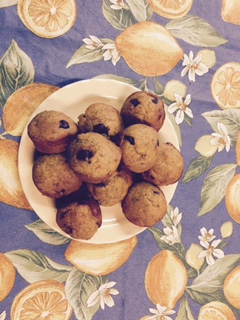
Each cupcake contains two grams of healthy Omega-3 fatty acids from canola oil, flax seed, squash, and walnuts. Eggs may or may not be high in Omega-3’s depending on how the hens are fed. A good reason for free range hens to have a mixed diet that’s high in greens.
I developed this recipe after reading Susan Allport’s excellent book “The Queen of Fats: Why Omega-3s Were Removed from the Western Diet and What We Can Do to Replace Them”.
Servings: Makes 12 cupcakes or one tea loaf.
1 cup unbleached all purpose flour
¾ cup whole wheat pastry flour
*½ teaspoon Vietnamese cinnamon
½ teaspoon freshly grated nutmeg
1 teaspoon baking soda
1 teaspoon baking powder
½ teaspoon salt
1/3 cup canola oil
1 cup brown sugar
3 large eggs
1 cup cooked pumpkin or winter squash
½ cup ground flax seed
1 teaspoon vanilla extract
1/3 cup milk
**1/3 cup Baker’s Cut candied ginger or chopped candied ginger
3/4 cup chopped walnuts
Preheat oven to 350°F. Oil and flour 9×5 inch loaf pan. For cupcakes prepare 12 slots. I use paper liners in my tins to avoid oiling and flouring.
Sift first 7 dry ingredients into medium bowl. Using electric mixer, beat oil with sugar and then beat in eggs 1 at a time. Beat in pumpkin, flax seed and vanilla. Add dry ingredients to pumpkin mixture alternately with milk, beating after each addition. Stir in ginger and nuts. Transfer batter to prepared pan or cupcake tins.
Bake loaf cake until tester inserted into center comes out clean, about 50 minutes. Cool in pan on rack 15 minutes. Turn cake out onto rack; cool completely.
Bake cupcakes for 25 minutes or until tester comes out clean, they will still look barely moist on top. Let cupcakes cool in pan for three minutes before transferring to a cooling rack.
POWDERED SUGAR GLAZE (optional)
½ cup powdered sugar
2 tbsp. liquid (milk or cream.)
1/2 tsp. vanilla, optional
Combine ingredients and mix until smooth. Lightly spread on cooled cupcakes or loaf. I dusted my glaze with a small pinch of Vietnamese cinnamon on each cupcake.
*Vietnamese cinnamon is very dark and fragrant. For many years it was unavailable in the US but now that trade has resumed with Vietnam, we have access to what is considered the finest baking cinnamon. **Baker’s Cut Ginger, is minced candied ginger. A real step saver, no more sticking to the knife or gnarling up in the food processor.
Filed under: Food, Recipes | Tagged: baking, dessert, pumpkin, squash | No Comments »
Posted on November 21, 2007 by Rose Marie
The last few years I’ve noticed a flock of wild
turkeys clustered on Albany, Oregon street corners like wayward youth. I half expect to see cigarettes dangling from their beaks. Local news recently filmed wild turkeys in Eugene, OR, perching on roofs, digging in gardens, and lending a touch of wildlife. In general they are seen strutting their stuff and of course are safe and well fed in city limits. The neighborhood was split between those who would like to be rid of them and those concerned they might not be getting enough to eat.
The topic of wild turkeys came up in two garden talks this last year and I learned a bit from my audience. Gardeners don’t seem to like these turkeys in their garden. They eat most of what grows and leave a mess behind. Furthermore, I now know wild turkeys are not native to Oregon but are a transplanted subspecies from the Rio Grande valley that has adapted well or another subspecies, the Merriam’s turkey, native to the Ponderosa forests of New Mexico, Colorado, and Arizona.
As with most non-native game introductions this is done to facilitate hunting. Here’s a quote from the Oregon Dept of Fish and Wildlife. “Wild turkeys provide significant recreational opportunity and economic benefit to Oregon residents. During the spring 2003 season, 14,152 hunters pursued wild turkeys in Oregon.” If you want to read more please go here.
A very happy Thanksgiving to you from all us at Nichols Garden Nursery. There is much to celebrate including the bounty of our gardens. Our table will be graced with a well stuffed turkey along with other foods of the Americas. Much the same menu as I posted in 2006, although we’ll add green beans this year, and skip the potatoes.
Filed under: Gardening, Thanksgiving Dinner, garden | Tagged: Happy Thanksgiving, turkey, turkeys | No Comments »
Posted on November 19, 2007 by Rose Marie
A customer from Meridian, Idaho writes to us about controlling weeds and I thought I’d share her questions and my suggestions. This layered method for weed control is effective and improves your soil. Pat Lanza wrote an excellent book a few years ago titled Lasagna Gardening.
“I am have a terrible time in my garden with weeds. It is a fairly large garden and we irrigate (definitely a source of the weeds) We have to create rows for the irrigation. It is hard to mulch because of the irrigation. Do you have any ideas for me? I try to stay away from chemicals in the garden and I add lots of aged horse manure.” L.C.
Answer-We have similar problems here with weeds and trying to suppress them. My first strategy is to use drip or leaky pipe irrigation; it conserves water and you’ll only supply water to the plants you want to grow. The second part is use several layers of newspaper as mulch. If you don’t want to see the newspaper cover it with your horse manure and put a layer of manure on the soil as well. The newspaper excludes light and the manure will break down and enrich the soil. Next season you will have a relatively weed free area to plant. Don’t till, as you’ll expose weed seeds, just dig planting holes. Start this process over the winter as you have breaks in the weather and you’ll get a jump on spring weed growth. When using horse manure be sure to keep your tetanus shots up to date.
Rose Marie
“Thank you for the quick response. I have been reading about the newspaper mulch and was thinking about it. I am assuming that there is no issue with the ink from the paper. I never hear mention of it. Thanks!” L.C.
Answer-Most newspapers have moved to soy based inks. I’m cautious about using the colored comic pages but don’t think there is much risk with black and white. It is really quite a good method but I do recommend making sandwiches on your soil. Manure, then newspaper, followed by leaves or more manure. You need something on top so the papers don’t blow. Rose Marie
Filed under: Gardening, Greetings From The Garden, garden | Tagged: organic gardening, weed control, weed management | 2 Comments »
Posted on November 11, 2007 by Rose Marie

As we move into cooler weather I see our salad garden is a bit uneven. We have lots of greens for cooking, mesclun, racdiccio and arugula but sometimes I begin to crave a crunchy salad that’s packed with flavor and color. So I broke down and purchased some lovely local Romaine lettuce. The garden pantry contributed radiccio, which we cut at the soil line instead of pulling because the plants often produce a second head.
In spite of some near frosty nights we still have some of my favorite edible flowers. Nasturtiums add color, a wonderful fresh peppery bite and the anise hyssop echoes the tarragon with it’s own sweet anise flavor. Each anise hyssop flower head is actually dozens of tiny flowers that I stripped from the stem. Mild flavored calendula petals are twisted away from the head and sprinkled like confetti over the greens.
1 head Romaine lettuce
1 small head radicchio
1 rounded tablespoon fresh tarragon leaves
(if fresh tarragon is unavailable use a small handful of parsley)
Dressing:
1 tablespoon extra virgin olive oil
1 tablespoon balsamic vinegar
1 small clove garlic, minced or pressed
Edible Flower Mixture
Nasturtiums
Calendula
Anise Hyssop
I gathered about one cup edible flowers not packed, this was about eight nasturtium blossoms, 2 flower heads of anise hyssop, and half a dozen calendula flowers. Always use flowers that are not sprayed with chemicals.
Rinse, dry and tear salad greens into bite size pieces. The tarragon leaves can remain whole. Mix dressing ingredients and toss with greens. Add salt and pepper to taste. Sprinkle the flowers over the salad greens, do not toss and serve. Serves 2-4.
Filed under: Food, Recipes, garden, herb recipes | Tagged: cooking, edible flowers, salad, tarragon | No Comments »
Posted on November 6, 2007 by Rose Marie
Today I made “essence of tarragon”. To do this, cut the
plants back, carefully rinse the foliage, spin or shake away excess moisture and strip leaves from the stem. Pack the leaves into a jar and cover with hot white wine vinegar or rice vinegar. I store this in a cool pantry and that’s it. After it sits for a few days the vinegar becomes a richly flavored and aromatic concentrate of tarragon. Add small amounts to salad dressings, tartar sauce or use for any of your favorite tarragon recipes. I like to mix a teaspoon into two tablespoons of Dijon mustard and coat a chicken inside and out before roasting.
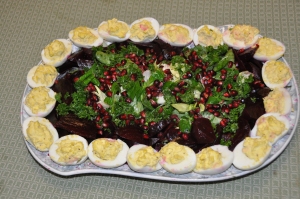
Tarragon Beet Salad
Balsamic vinegar, fresh
chopped tarragon and minced onion combine complimentary flavors in an easy winter salad. When roasting beets leave 2” of stem so they don’t bleed. When they have cooled trim and remove skins. In England, I’ve seen ready to go plastic pouches of whole roasted beets which seems like a great convenience.
Our garden beets are left in the ground during winter and gathered as we need them. We usually stirfry the greens as a separate dish.
6 sliced roasted beets
2 tablespoons balsamic vinegar
2 teaspoons chopped fresh tarragon
1 tablespoon minced sweet or green onion
Salt to taste, I use a light sprinkle
Combine beets and vinegar and sprinkle with remaining ingredients
Filed under: Food, Gardening, Recipes, garden, herb recipes, herbs | Tagged: beets, tarragon | No Comments »
Posted on November 5, 2007 by Rose Marie
Tarragon is one of my most easily grown herbs. I say this because it wasn’t always this way. Our home garden soil tends to be wet and cold in winter. Tarragon dies back in winter and is often the slowest plant to reappear in late spring. After a particularly cold wet winter we may not see it at all. The photo below was taken in early November shortly before harvesting.

The solution is to grow it in a container. Drainage when using potting soil is no longer a problem, the container warms early in the spring and you’ll harvest tarragon all season. Best of all, if you have a division or a small container bring it indoors in January when foliage has died back and soon vigorous delicious shoots will appear.
Tarragon’s roots will tightly intertwine and it can choke itself out if not divided every one to two years. If planting in the ground pick a sunny well-drained location. Plants benefit from a good fertilizing at the start of the growing season. Work some crab meal or aged chicken manure into your soil. I recommend container gardeners fertilize with fish emulsion
French tarragon does not set seed, so don’t be tempted to buy a seed packet. It will be Russian tarragon which is nearly tasteless. Regular using and cutting of plants early in the season develops a desirable compact growth habit. Later I will post some cooking hints for this classic herb
Filed under: Gardening, Greetings From The Garden, garden, herb gardens, herbs | Tagged: container gardening, herb gardening, tarragon | No Comments »